

Here are some interesting facts about music:
- Listening to music can activate the same pleasure centers in the brain as eating food or having sex, leading to a release of dopamine and other feel-good chemicals.
- Music has been a part of human culture for thousands of years, with evidence of musical instruments dating back to over 40,000 years ago.
- Playing an instrument can have a number of benefits for the brain, including improving memory, enhancing cognitive function, and promoting neural plasticity.
- Music can be therapeutic and has been used to help people cope with a range of mental health issues, including depression, anxiety, and PTSD.
- The use of music in advertising and marketing can have a powerful effect on consumer behavior, with research showing that certain types of music can influence purchasing decisions and brand loyalty.
- Music can help to bring people together and promote social connections. Whether it’s attending a concert or joining a choir, music has the power to create a sense of community and belonging.
- Many cultures around the world have their own unique styles of music, each with their own distinct rhythms, melodies, and instruments.
- Music can be enjoyed in many different forms, from live performances to recordings, streaming services, and even video games.
- Music is a constantly evolving art form, with new genres, styles, and trends emerging all the time. This ensures that there is always something new and exciting to discover in the world of music.

Here are some advantages of learning music in a person’s life:
- Enhances cognitive function: Research has shown that learning music can enhance cognitive function, including memory, attention, and concentration. It can also improve problem-solving skills, creativity, and spatial-temporal reasoning.
- Boosts self-esteem and confidence: Learning to play an instrument or sing can boost a person’s self-esteem and confidence. As they develop new skills and improve their abilities, they feel a sense of pride and accomplishment.
- Promotes discipline and patience: Learning music requires discipline and patience. It can take time and effort to master a new instrument or skill, but the rewards are well worth the effort.
- Improves physical coordination: Playing an instrument or singing requires physical coordination, which can improve over time with practice. This can have a positive impact on overall physical health and well-being.
- Provides a creative outlet: Learning music provides a creative outlet for self-expression. It can be a way to channel emotions and feelings into something productive and meaningful.
- Offers social connections: Learning music can provide opportunities for social connections and community involvement. Joining a choir, band, or ensemble can lead to lifelong friendships and a sense of belonging.
- Reduces stress and anxiety: Playing or listening to music can have a calming effect on the mind and body, reducing feelings of stress and anxiety.
- Provides a lifelong hobby: Learning music is a lifelong hobby that can bring joy and fulfillment throughout a person’s life. It can be a way to unwind, relax, and enjoy life’s simple pleasures.
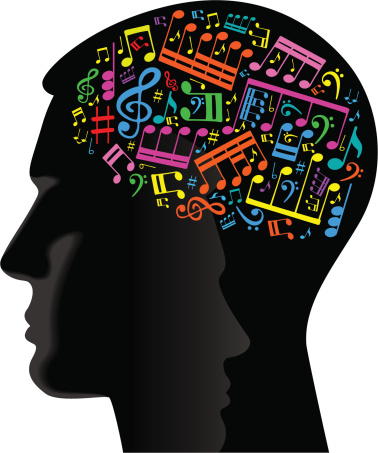
Music has a profound impact on people’s lives in a variety of ways. Here are some examples of how music is influencing people’s lives:
- Emotional connection: Music has the ability to evoke strong emotions and memories. It can be used to express feelings of joy, sadness, love, and more, connecting people on a deep emotional level.
- Healing power: Music can have a therapeutic effect on mental and physical health. It has been used to help manage symptoms of depression, anxiety, and chronic pain, among other conditions.
- Social connections: Music is often a shared experience, whether it’s attending a concert, playing in a band, or singing in a choir. It can create a sense of community and foster social connections between people.
- Inspiration and motivation: Many people find inspiration and motivation through music. It can be used to set the tone for a workout, help with focus and productivity, or inspire creative endeavors.
- Cultural identity: Music is often tied to cultural identity, with different genres and styles reflecting the traditions and values of different communities around the world.
- Career opportunities: For some people, music is a career. The music industry offers a range of opportunities, from performing to producing, recording, and more.
- Education and skill-building: Learning to play an instrument or sing requires dedication and practice, which can teach important skills like discipline, patience, and perseverance.
So if you are looking for music classes, this website is for you… Music Classes are starting very soon at our institution. So please register yourself to enroll yourself for this excellent opportunity.
Thank you for your response. ✨

Music can heal you

Classes fees structure:-

Carnatic vocal music
£250.00

Hndustani Vocal Music
£180.00

Indian Classical Music
£220.00

Western Vocals Music
£160.00
If you have any questions, let us know.
musicmantra@gmail.com
Follow us on
Facebook, Instragram, Twitter.
Designed with WordPress.com
 Music Mantra